

No PatientLeft Behind
Closing the Gap Between Image and Intervention
future. But too often, that opportunity is lost between
detection and intervention. Qure.ai connects imaging,
follow-up, referral, and intervention, helping care teams keep
the right patients moving through the care pathway.
Meet the Qure team at AABIP 2026 Booth
The Gaps Between Finding and Diagnosis
Patients Can Be Missed Before They Enter the Care Pathway

Patients Can Be Missed Before They Enter the Care Pathway
Screening programs are a narrow net for a broad disease. Most who end up with a diagnosis, never meet the screening criteria, while many eligible are never screened.
- 30–50% of lung cancer patients do not meet current screening guidelines. Learn more
- Up to *5× more early-stage lung cancers identified through opportunistic detection. Learn more
- Only 18% of eligible individuals undergo lung cancer screening. Learn more
Incidental Doesn't Have to Mean Delayed

Incidental Doesn't Have to Mean Delayed
Every day, clinically significant pulmonary findings are identified. But identifying a finding doesn't guarantee a patient reaches the right specialist.
The Reality
- 60% of incidental pulmonary nodules are lost to follow-up
- Findings become buried across reports, inboxes, and disconnected systems
- Manual coordination creates unnecessary delays between imaging, referral, and intervention
The Opportunity
Connect the care pathway after detection, keep every clinically significant patient visible, so more patients receive timely pulmonary care.
One challenge limits who enters care. The other limits whether they receive timely intervention. Together, they leave patients behind.
Every clinically significant finding deserves the opportunity to become timely care.
See how Qure.ai helps health systems connect the pulmonary care pathway—from earlier identification to intervention.
Trusted by healthcare systems, proven by practice.

For conditions such as intracranial hemorrhage, time is of the essence and those precious minutes can be life-changing for our patients. We have done extensive validation of the Qure.ai qER solution and are excited to continue to partner with Qure.ai and improve care for our patients.
Benjamin W. Strong
MD and Chief Medical Officer
vRad
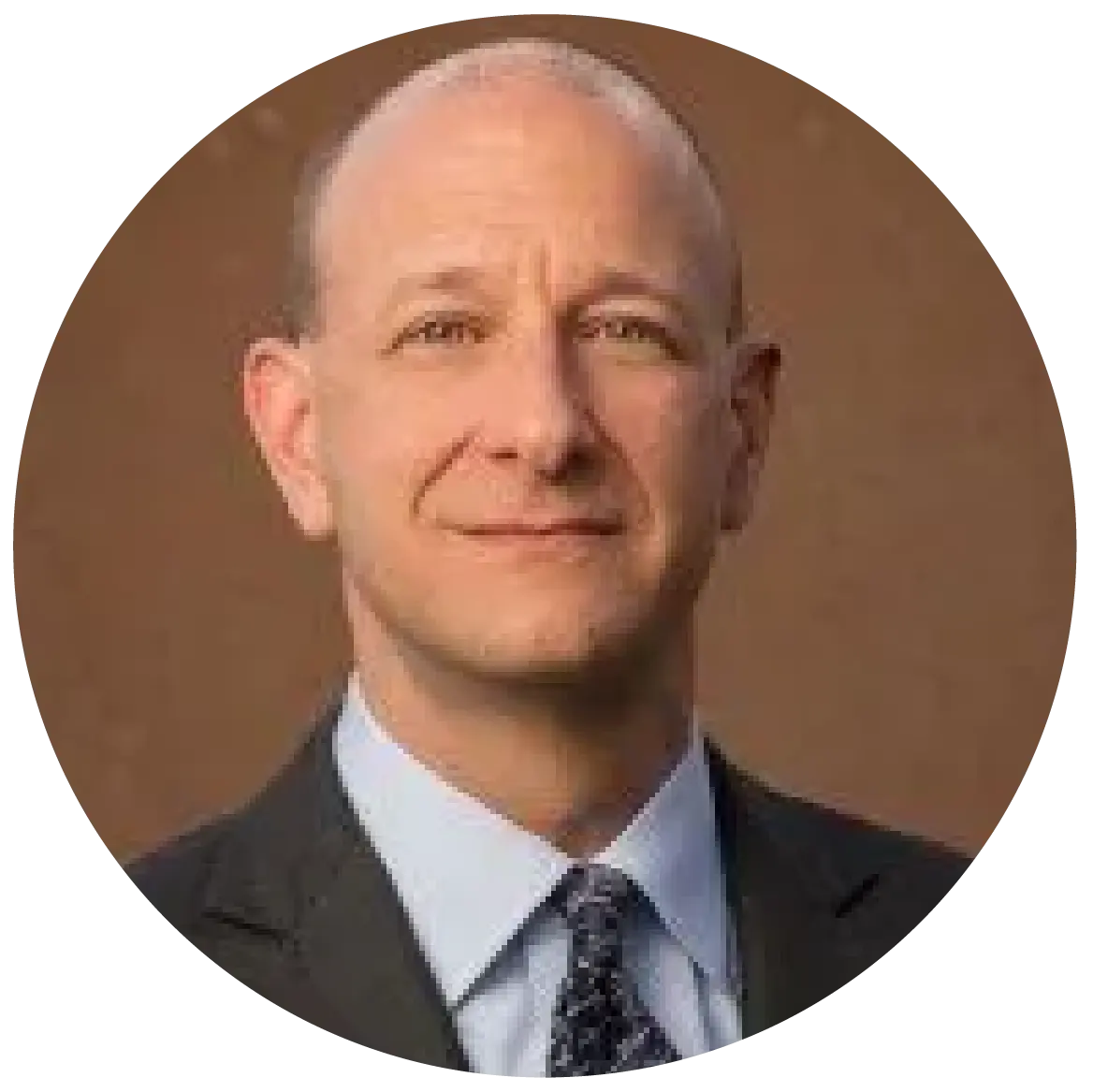
A multicenter publication on missed and mislabeled chest radiography findings including pneumothoraces and pleural effusions reported up to 96% sensitivity and 100% specificity for the qXR algorithm.
Dr. Subba Digumarthy, MD
Attending Radiologist, Thoracic Imaging, Massachusetts General Hospital
Associate Professor, Harvard Medical School

AI serves as an additional set of eyes for radiologists, enhancing detection by flagging lung nodules that may require further evaluation. This AI-driven approach may aid in identifying more nodules which we hope supports patient care and enables us to evaluate the broader impact of medical imaging AI. The clinical trial will evaluate how many patients require follow-up CT scans, biopsies, and how many more lung cancer cases are diagnosed earlier using AI. The hope is that this clinical trial will not only advance early detection but also drive meaningful transformation in lung cancer surveillance
Dr. Amit Gupta
Cardiothoracic Radiologist and Modality Director of Diagnostic Radiography at University Hospitals Cleveland Medical Center
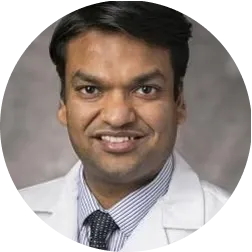
I’ve had the opportunity to work extensively with qXR and qCT in real lung nodule workflows through our Sinai Chicago collaboration with Qure.ai. qXR’s ability to detect subtle nodules without creating reader fatigue has been particularly impactful. And on the qCT side, collaborating directly with Qure’s product engineers to refine the annotation tools has resulted in a workflow that truly supports both radiologists and referring physicians. It’s rewarding to contribute to a solution designed with the end user and our patients in mind.
Dr Amar P. Shah
MD - System Chair of Radiology, Sinai Chicago, Chicago IL
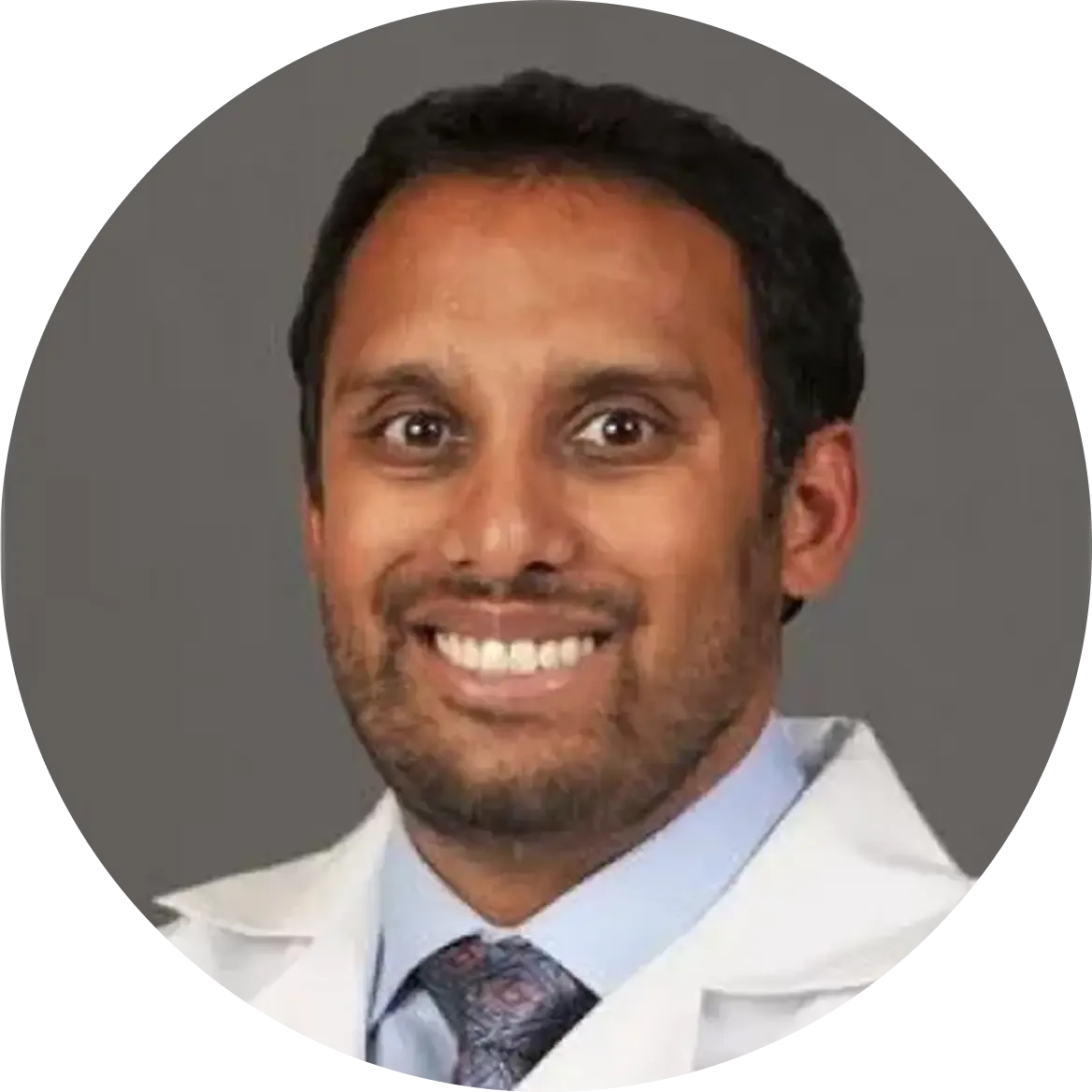

For conditions such as intracranial hemorrhage, time is of the essence and those precious minutes can be life-changing for our patients. We have done extensive validation of the Qure.ai qER solution and are excited to continue to partner with Qure.ai and improve care for our patients.
Benjamin W. Strong
MD and Chief Medical Officer
vRad
A multicenter publication on missed and mislabeled chest radiography findings including pneumothoraces and pleural effusions reported up to 96% sensitivity and 100% specificity for the qXR algorithm.
Dr. Subba Digumarthy, MD
Attending Radiologist, Thoracic Imaging, Massachusetts General Hospital
Associate Professor, Harvard Medical School
AI serves as an additional set of eyes for radiologists, enhancing detection by flagging lung nodules that may require further evaluation. This AI-driven approach may aid in identifying more nodules which we hope supports patient care and enables us to evaluate the broader impact of medical imaging AI. The clinical trial will evaluate how many patients require follow-up CT scans, biopsies, and how many more lung cancer cases are diagnosed earlier using AI. The hope is that this clinical trial will not only advance early detection but also drive meaningful transformation in lung cancer surveillance
Dr. Amit Gupta
Cardiothoracic Radiologist and Modality Director of Diagnostic Radiography at University Hospitals Cleveland Medical Center
I’ve had the opportunity to work extensively with qXR and qCT in real lung nodule workflows through our Sinai Chicago collaboration with Qure.ai. qXR’s ability to detect subtle nodules without creating reader fatigue has been particularly impactful. And on the qCT side, collaborating directly with Qure’s product engineers to refine the annotation tools has resulted in a workflow that truly supports both radiologists and referring physicians. It’s rewarding to contribute to a solution designed with the end user and our patients in mind.
Dr Amar P. Shah
MD - System Chair of Radiology, Sinai Chicago, Chicago IL
For conditions such as intracranial hemorrhage, time is of the essence and those precious minutes can be life-changing for our patients. We have done extensive validation of the Qure.ai qER solution and are excited to continue to partner with Qure.ai and improve care for our patients.
Benjamin W. Strong
MD and Chief Medical Officer
vRad
A multicenter publication on missed and mislabeled chest radiography findings including pneumothoraces and pleural effusions reported up to 96% sensitivity and 100% specificity for the qXR algorithm.
Dr. Subba Digumarthy, MD
Attending Radiologist, Thoracic Imaging, Massachusetts General Hospital
Associate Professor, Harvard Medical School
AI serves as an additional set of eyes for radiologists, enhancing detection by flagging lung nodules that may require further evaluation. This AI-driven approach may aid in identifying more nodules which we hope supports patient care and enables us to evaluate the broader impact of medical imaging AI. The clinical trial will evaluate how many patients require follow-up CT scans, biopsies, and how many more lung cancer cases are diagnosed earlier using AI. The hope is that this clinical trial will not only advance early detection but also drive meaningful transformation in lung cancer surveillance
Dr. Amit Gupta
Cardiothoracic Radiologist and Modality Director of Diagnostic Radiography at University Hospitals Cleveland Medical Center
I’ve had the opportunity to work extensively with qXR and qCT in real lung nodule workflows through our Sinai Chicago collaboration with Qure.ai. qXR’s ability to detect subtle nodules without creating reader fatigue has been particularly impactful. And on the qCT side, collaborating directly with Qure’s product engineers to refine the annotation tools has resulted in a workflow that truly supports both radiologists and referring physicians. It’s rewarding to contribute to a solution designed with the end user and our patients in mind.
Dr Amar P. Shah
MD - System Chair of Radiology, Sinai Chicago, Chicago IL
For conditions such as intracranial hemorrhage, time is of the essence and those precious minutes can be life-changing for our patients. We have done extensive validation of the Qure.ai qER solution and are excited to continue to partner with Qure.ai and improve care for our patients.
Benjamin W. Strong
MD and Chief Medical Officer
vRad
A multicenter publication on missed and mislabeled chest radiography findings including pneumothoraces and pleural effusions reported up to 96% sensitivity and 100% specificity for the qXR algorithm.
Dr. Subba Digumarthy, MD
Attending Radiologist, Thoracic Imaging, Massachusetts General Hospital
Associate Professor, Harvard Medical School
AI serves as an additional set of eyes for radiologists, enhancing detection by flagging lung nodules that may require further evaluation. This AI-driven approach may aid in identifying more nodules which we hope supports patient care and enables us to evaluate the broader impact of medical imaging AI. The clinical trial will evaluate how many patients require follow-up CT scans, biopsies, and how many more lung cancer cases are diagnosed earlier using AI. The hope is that this clinical trial will not only advance early detection but also drive meaningful transformation in lung cancer surveillance
Dr. Amit Gupta
Cardiothoracic Radiologist and Modality Director of Diagnostic Radiography at University Hospitals Cleveland Medical Center
I’ve had the opportunity to work extensively with qXR and qCT in real lung nodule workflows through our Sinai Chicago collaboration with Qure.ai. qXR’s ability to detect subtle nodules without creating reader fatigue has been particularly impactful. And on the qCT side, collaborating directly with Qure’s product engineers to refine the annotation tools has resulted in a workflow that truly supports both radiologists and referring physicians. It’s rewarding to contribute to a solution designed with the end user and our patients in mind.
Dr Amar P. Shah
MD - System Chair of Radiology, Sinai Chicago, Chicago IL
For conditions such as intracranial hemorrhage, time is of the essence and those precious minutes can be life-changing for our patients. We have done extensive validation of the Qure.ai qER solution and are excited to continue to partner with Qure.ai and improve care for our patients.
Benjamin W. Strong
MD and Chief Medical Officer
vRad
A multicenter publication on missed and mislabeled chest radiography findings including pneumothoraces and pleural effusions reported up to 96% sensitivity and 100% specificity for the qXR algorithm.
Dr. Subba Digumarthy, MD
Attending Radiologist, Thoracic Imaging, Massachusetts General Hospital
Associate Professor, Harvard Medical School
AI serves as an additional set of eyes for radiologists, enhancing detection by flagging lung nodules that may require further evaluation. This AI-driven approach may aid in identifying more nodules which we hope supports patient care and enables us to evaluate the broader impact of medical imaging AI. The clinical trial will evaluate how many patients require follow-up CT scans, biopsies, and how many more lung cancer cases are diagnosed earlier using AI. The hope is that this clinical trial will not only advance early detection but also drive meaningful transformation in lung cancer surveillance
Dr. Amit Gupta
Cardiothoracic Radiologist and Modality Director of Diagnostic Radiography at University Hospitals Cleveland Medical Center
I’ve had the opportunity to work extensively with qXR and qCT in real lung nodule workflows through our Sinai Chicago collaboration with Qure.ai. qXR’s ability to detect subtle nodules without creating reader fatigue has been particularly impactful. And on the qCT side, collaborating directly with Qure’s product engineers to refine the annotation tools has resulted in a workflow that truly supports both radiologists and referring physicians. It’s rewarding to contribute to a solution designed with the end user and our patients in mind.
Dr Amar P. Shah
MD - System Chair of Radiology, Sinai Chicago, Chicago IL
For conditions such as intracranial hemorrhage, time is of the essence and those precious minutes can be life-changing for our patients. We have done extensive validation of the Qure.ai qER solution and are excited to continue to partner with Qure.ai and improve care for our patients.
Benjamin W. Strong
MD and Chief Medical Officer
vRad
A multicenter publication on missed and mislabeled chest radiography findings including pneumothoraces and pleural effusions reported up to 96% sensitivity and 100% specificity for the qXR algorithm.
Dr. Subba Digumarthy, MD
Attending Radiologist, Thoracic Imaging, Massachusetts General Hospital
Associate Professor, Harvard Medical School
AI serves as an additional set of eyes for radiologists, enhancing detection by flagging lung nodules that may require further evaluation. This AI-driven approach may aid in identifying more nodules which we hope supports patient care and enables us to evaluate the broader impact of medical imaging AI. The clinical trial will evaluate how many patients require follow-up CT scans, biopsies, and how many more lung cancer cases are diagnosed earlier using AI. The hope is that this clinical trial will not only advance early detection but also drive meaningful transformation in lung cancer surveillance
Dr. Amit Gupta
Cardiothoracic Radiologist and Modality Director of Diagnostic Radiography at University Hospitals Cleveland Medical Center
I’ve had the opportunity to work extensively with qXR and qCT in real lung nodule workflows through our Sinai Chicago collaboration with Qure.ai. qXR’s ability to detect subtle nodules without creating reader fatigue has been particularly impactful. And on the qCT side, collaborating directly with Qure’s product engineers to refine the annotation tools has resulted in a workflow that truly supports both radiologists and referring physicians. It’s rewarding to contribute to a solution designed with the end user and our patients in mind.
Dr Amar P. Shah
MD - System Chair of Radiology, Sinai Chicago, Chicago IL
For conditions such as intracranial hemorrhage, time is of the essence and those precious minutes can be life-changing for our patients. We have done extensive validation of the Qure.ai qER solution and are excited to continue to partner with Qure.ai and improve care for our patients.
Benjamin W. Strong
MD and Chief Medical Officer
vRad
A multicenter publication on missed and mislabeled chest radiography findings including pneumothoraces and pleural effusions reported up to 96% sensitivity and 100% specificity for the qXR algorithm.
Dr. Subba Digumarthy, MD
Attending Radiologist, Thoracic Imaging, Massachusetts General Hospital
Associate Professor, Harvard Medical School
AI serves as an additional set of eyes for radiologists, enhancing detection by flagging lung nodules that may require further evaluation. This AI-driven approach may aid in identifying more nodules which we hope supports patient care and enables us to evaluate the broader impact of medical imaging AI. The clinical trial will evaluate how many patients require follow-up CT scans, biopsies, and how many more lung cancer cases are diagnosed earlier using AI. The hope is that this clinical trial will not only advance early detection but also drive meaningful transformation in lung cancer surveillance
Dr. Amit Gupta
Cardiothoracic Radiologist and Modality Director of Diagnostic Radiography at University Hospitals Cleveland Medical Center
I’ve had the opportunity to work extensively with qXR and qCT in real lung nodule workflows through our Sinai Chicago collaboration with Qure.ai. qXR’s ability to detect subtle nodules without creating reader fatigue has been particularly impactful. And on the qCT side, collaborating directly with Qure’s product engineers to refine the annotation tools has resulted in a workflow that truly supports both radiologists and referring physicians. It’s rewarding to contribute to a solution designed with the end user and our patients in mind.
Dr Amar P. Shah
MD - System Chair of Radiology, Sinai Chicago, Chicago IL
Shaping the future of respiratory health with AI